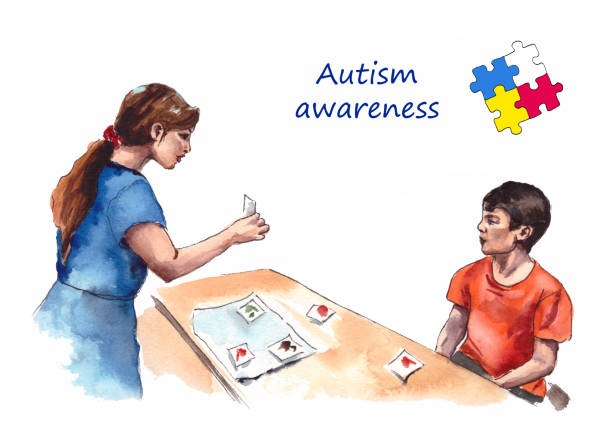
The growing interest in biomarkers autism has reshaped how developmental conditions are studied and understood. These measurable biological indicators provide valuable insights into early brain development and offer new opportunities for accurate diagnosis. As research evolves, biomarkers autism are becoming central to identifying patterns that were previously difficult to detect.
Understanding Biological Indicators
Biomarkers serve as measurable signals that reflect biological processes. In the context of development, biomarkers neurodevelopmental disorders help scientists track changes in the brain and body. These indicators can be found in genetic material, brain activity, or biochemical pathways.
Researchers studying biomarkers autism often examine multiple systems simultaneously. This multidisciplinary approach helps uncover connections between genetics, environment, and neurological function, offering a more complete picture of developmental differences.
Role in Personalized Medicine
One of the most promising aspects of biomarkers autism is their potential to support personalized treatment plans. By identifying specific biological traits, clinicians can tailor interventions to meet individual needs. This approach moves away from generalized treatment models toward more precise care.
The application of biomarkers neurodevelopmental disorders in personalized medicine allows for better prediction of treatment responses. It also helps avoid unnecessary therapies, ensuring that individuals receive the most effective support.
Key Areas of Research
Current research into biomarkers autism focuses on several key areas. Genetic studies aim to identify mutations or variations linked to developmental changes. Neuroimaging research explores differences in brain structure and connectivity.
In addition, investigations into biomarkers neurodevelopmental disorders include studying metabolic and immune system markers. These findings suggest that multiple biological pathways contribute to developmental outcomes, highlighting the need for integrated research approaches.

Ethical Considerations
As the use of biomarkers autism expands, ethical considerations become increasingly important. Early diagnosis raises questions about privacy, data security, and the potential for misinterpretation of results. It is essential to ensure that these tools are used responsibly and with informed consent.
Research into biomarkers neurodevelopmental disorders also emphasizes the importance of inclusivity. Studies must represent diverse populations to ensure that findings are applicable across different communities.
Impact on Early Intervention
The identification of biomarkers autism has significant implications for early intervention programs. Detecting developmental differences at an earlier stage allows for timely support that can improve communication and social skills.
Similarly, insights from biomarkers neurodevelopmental disorders contribute to designing targeted therapies. These interventions are more effective when they align with an individual’s unique biological profile, enhancing long-term outcomes.
Integration with Technology
Technological advancements have played a crucial role in advancing biomarkers autism research. Artificial intelligence and data analytics enable researchers to process complex datasets and identify meaningful patterns.
The study of biomarkers neurodevelopmental disorders also benefits from innovations such as wearable sensors and mobile health applications. These tools provide continuous monitoring and real-time data collection, making research more dynamic and accessible.
Future Prospects
Looking ahead, the field of biomarkers autism is expected to grow rapidly. Researchers are working toward developing standardized diagnostic tools that combine multiple biomarkers into a single, reliable system.
The continued exploration of biomarkers neurodevelopmental disorders will likely lead to breakthroughs in early detection and treatment. Collaborative efforts across disciplines will be essential in translating research findings into practical applications.
Conclusion
The advancement of biomarkers autism research marks a transformative period in developmental science. By leveraging biological indicators, researchers are gaining deeper insights into early brain development and improving diagnostic accuracy. At the same time, ongoing work in biomarkers neurodevelopmental disorders continues to expand the possibilities for personalized care and effective interventions. As knowledge progresses, these biomarkers hold the promise of creating more informed, timely, and supportive approaches to development.