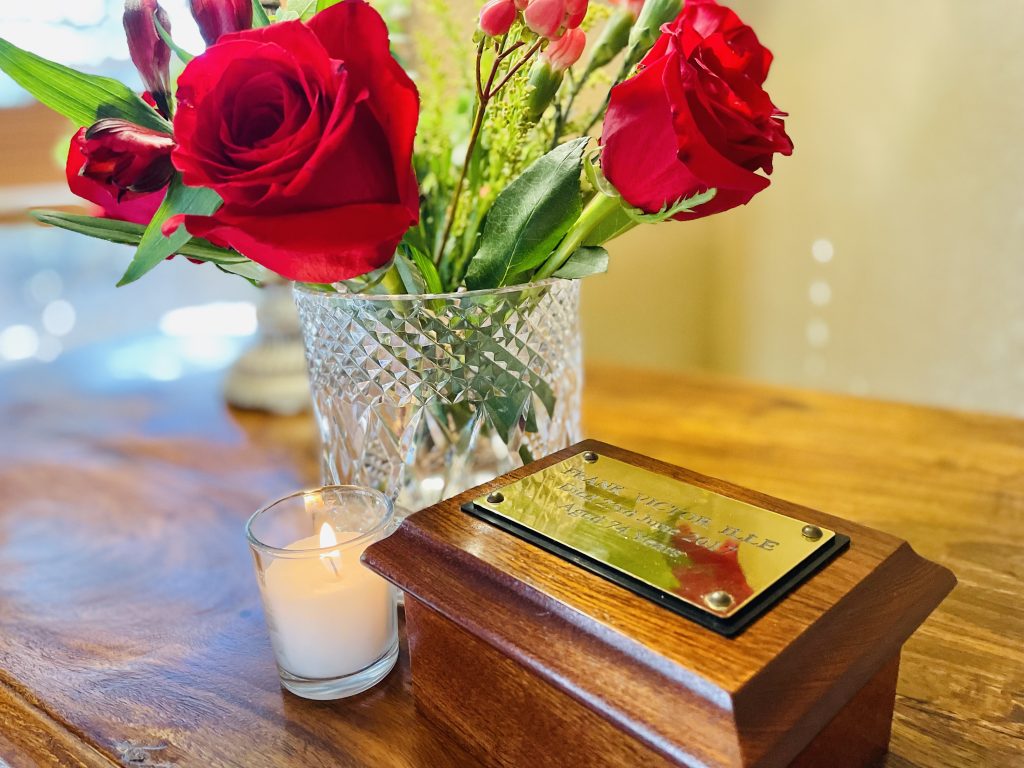
Saying goodbye to a loved one is one of life’s most emotional moments. In the midst of grief, families often find themselves navigating complicated decisions about memorial services, burial options, and financial responsibilities. In recent years, many people have started choosing simpler, more meaningful approaches that focus on remembrance rather than ritual. One option gaining popularity across the United States is Direct cremation a dignified, affordable, and flexible alternative to traditional funerals.
What Is Direct Cremation and Why Is It Growing Popularity?
Direct cremation is a straightforward process in which cremation takes place shortly after death, without a formal viewing, visitation, or traditional funeral service beforehand. The remains are then returned to the family, who may choose to hold a memorial at a later date or in a setting that feels more personal and meaningful.
Unlike traditional burial services, this option removes many logistical pressures during an already difficult time. It eliminates embalming, elaborate caskets, and expensive ceremony arrangements. Instead, families can focus on what truly matters: remembrance, healing, and connection.
There are several reasons why more Americans are choosing this path:
- It offers significant cost savings compared to traditional funerals.
Beyond finances, flexibility is a major benefit. Families are no longer confined to tight schedules dictated by funeral homes. Memorial gatherings can be held weeks or even months later, allowing loved ones from different locations to attend without stress.
This approach also aligns with changing cultural values. Many individuals today prefer celebrations of life held in homes, parks, beaches, or community centers rather than formal chapels. The emphasis shifts from tradition to personalization from formality to heartfelt reflection.
Emotional and Financial Benefits of Direct cremation
When families are grieving, the last thing they need is financial strain or overwhelming planning decisions. Direct cremation reduces both. The simplicity of the process allows loved ones to move forward without the pressure of coordinating largescale services immediately.
Financially, traditional funerals can cost thousands, sometimes tens of thousands of dollars when factoring in caskets, burial plots, embalming, and ceremony expenses. Direct cremation typically costs a fraction of that amount, making it an accessible option for families of all backgrounds.
Emotionally, it provides a breathing room. Instead of rushing to organize a service within days, families can take time to process their loss. Memorials become intentional gatherings rather than hurried obligations. This space can be deeply healed.
Many families also appreciate the privacy this option provides. Grief is personal, and not everyone feels comfortable with public viewings or formal ceremonies. Choosing a simpler route allows loved ones to mourn in ways that feel authentic and supportive.
Additionally, environmental considerations are influencing decisions. With fewer resources required compared to traditional burial, some see cremation as a more sustainable choice.

Creating Meaningful Memorials After Cremation
One misconception is that choosing direct cremation means skipping a meaningful tribute. It often creates opportunities for more personalized remembrance.
Families might:
- Host a celebration of life at a favorite family location.
Others choose to scatter ashes in meaningful places, keep them in memorial urns, or even create keepsake jewelry. The beauty of this approach lies in its flexibility. There are no strict rules, only meaningful choices.
Memorial gatherings can include storytelling, music, photo displays, or even activities that reflect the personality of the loved one. Because there’s no rigid structure, families are free to design a farewell that feels genuine and comfortable.
This personalization often leaves a lasting impact. Instead of remembering the logistics of a formal service, loved ones remember shared laughter, heartfelt stories, and moments of connection.
Conclusion
The way we honor life is evolving. Families today are prioritizing simplicity, affordability, and authenticity over tradition for tradition’s sake. Direct cremation offers a compassionate alternative that respects both emotional needs and practical realities.
By removing unnecessary complexity, this option allows families to focus on what truly matters, celebrating a life well lived and finding comfort in shared memories. In a world that often feels rushed and overwhelming, choosing a simpler farewell can bring clarity, peace, and meaningful connections during one of life’s most difficult moments.