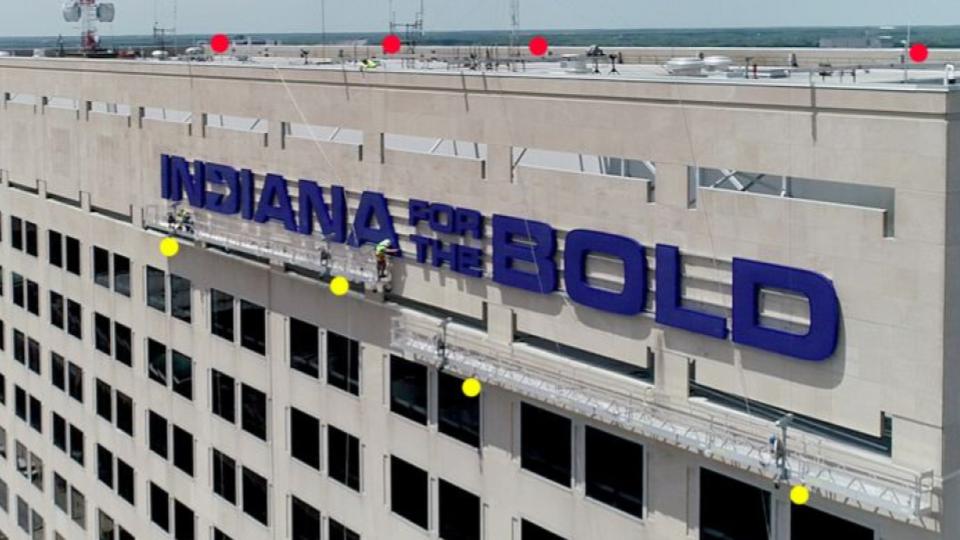
Economic progress feels meaningful when people see it in daily life. A new job opening, a safer road, or a local business that stays open for years all shape how growth is measured. Indiana has earned a reputation for steady development by keeping its focus clear. Leaders often choose simple plans that support workers, businesses, and towns at the same time. This blog looks at how that approach works and why it continues to matter.
Brad Chambers Indiana economic development and Long Term Planning
How Brad Chambers Indiana economic development supports balance
Brad Chambers Indiana economic development reflects a style built on balance. Growth does not come from chasing every offer. It comes from choosing projects that fit Indiana’s workforce and values. The focus stays on jobs that last and companies that invest in people.
Planning starts with facts. Leaders review labor data, energy needs, and supply routes before any agreement moves forward. This helps avoid rushed decisions. It also protects smaller communities that may not recover quickly from failed projects.
One principle guides this work.
- Economic growth should strengthen both cities and rural areas.
That idea shapes how resources get shared across regions. It also explains why state leaders travel often to listen to local concerns. Progress feels fair when everyone has a voice.
Building a Workforce That Can Adapt
Indiana places strong value on training and education. Programs focus on skills that match real jobs, not trends. Manufacturing, logistics, and tech roles receive steady attention. Workers gain tools they can use across industries.
This focus helps employers as well. Companies find skilled workers faster. They spend less time retraining and more time producing. Over time, this builds loyalty on both sides.
Schools and training centers play a key role. Partnerships with employers help shape course content. Students learn what the job requires before they start. This reduces frustration and improves job retention.
Brad Chambers Indiana economic development and Regional Trust
Why relationships matter in growth planning?
Brad Chambers Indiana economic development also depends on trust. State leaders work closely with local officials, chambers of commerce, and plant managers. These relationships help surface issues early.
For example, housing shortages can slow hiring. Traffic concerns can affect safety. When leaders hear these issues early, they can respond before problems grow.
This approach values honesty. Not every project fits every town. Saying no can protect a community from strain. Over time, this honesty builds respect.
Local input also shapes incentives. Support often ties to job quality and training commitments. This ensures public funds deliver public value.

Infrastructure as a Foundation
Roads, ports, and broadband form the base of economic activity. Indiana continues to invest in these areas. Reliable infrastructure keeps costs down and schedules on track.
Rural broadband stands out as a priority. Access to fast internet supports small businesses and remote work. It also helps students and health providers.
These investments may not grab attention, yet they drive results. Businesses notice when logistics run smoothly. Families notice when services improve.
Why Indiana’s Approach Endures
Many states compete for the same investments. Some rely on large incentives without strong follow up. Indiana tends to stay measured. Leaders ask how a project fits today and ten years from now.
This mindset reduces waste. It also supports stable growth across regions. Businesses gain confidence in clear rules and steady leadership.
Communities benefit as well. Growth feels planned rather than forced. People see improvements without losing local identity.
Conclusion
Economic development succeeds when it serves people first. Indiana’s steady approach shows how clear planning, honest dialogue, and practical investment can shape lasting growth. By focusing on balance and trust, the state continues to build an economy that works for businesses and communities alike.